The rise of wireless headphones has revolutionized the way we experience music, podcasts, audiobooks, and calls. With no cables to get tangled or in the way, wireless headphones offer unprecedented convenience and freedom. But beyond their convenience, what makes wireless headphones the future of music listening?
Freedom from Wires
The most obvious benefit of wireless headphones is the freedom they provide. Whether you’re commuting, exercising, or simply lounging at home, wireless headphones let you move without being restricted by tangled cables. With Bluetooth technology, you can easily connect your headphones to your phone, tablet, or laptop without the need for cords.
Key Benefits of Wireless Headphones:
- Tangle-Free: No more worrying about cables getting knotted or tangled in your bag.
- Enhanced Mobility: Ideal for activities like running, cycling, or cleaning, where you need to move freely.
- Cleaner Look: Wireless headphones offer a sleek, modern aesthetic without the clutter of cables.
Improved Sound Quality
While wireless headphones were once criticized for poor sound quality, the technology has improved drastically. With advancements in Bluetooth codecs like aptX and AAC, wireless headphones now offer audio quality that rivals wired models.
Key Features:
- High-Resolution Sound: Some premium wireless headphones support high-resolution audio, ensuring you get the most out of your music.
- Low Latency: Modern wireless headphones minimize audio lag, making them ideal for watching videos or gaming.
- Stable Connection: Bluetooth 5.0 and beyond have greatly improved the stability and range of wireless connections, ensuring consistent and high-quality audio streaming.
Longer Battery Life
Battery life has always been a concern with wireless devices, but today’s wireless headphones are equipped with long-lasting batteries that can last for hours of continuous listening. Many wireless headphones now come with quick charge features, allowing you to get several hours of playtime from just a short charge.
Battery Life Overview:
- 10-30 Hours of Playtime: Most wireless headphones offer anywhere from 10 to 30 hours of battery life, depending on the model and features.
- Quick Charging: Some headphones offer fast-charging capabilities, giving you hours of listening time from just a 15-minute charge.
- Portable Charging Cases: Many wireless earbuds come with a charging case, allowing you to recharge on the go.
Best Wireless Headphones on the Market
If you’re looking to upgrade your listening experience with wireless headphones, here are some of the top-rated options:
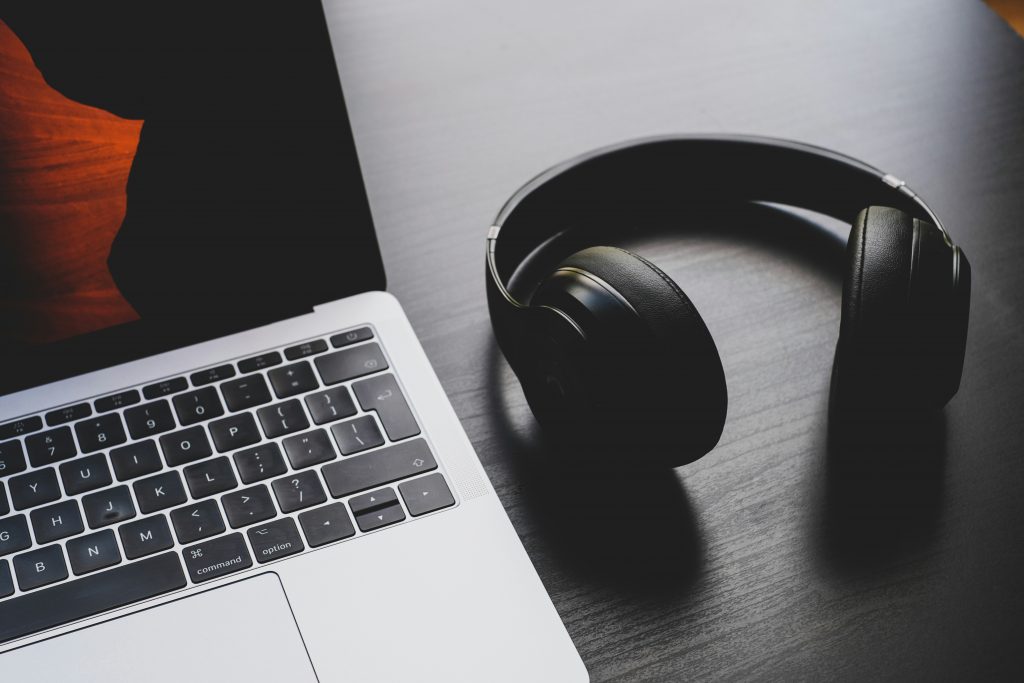
- Sony WH-1000XM4: These over-ear headphones are known for their exceptional sound quality, noise cancellation, and long battery life. They’re perfect for both work and play.
- Apple AirPods Max: Offering premium sound, active noise cancellation, and seamless integration with Apple devices, the AirPods Max is a top choice for audiophiles.
- JBL Live 650BTNC: If you’re looking for a more affordable option with great sound and active noise-canceling technology, the JBL Live 650BTNC delivers excellent value.
Wireless Earbuds: The Ultimate in Portability
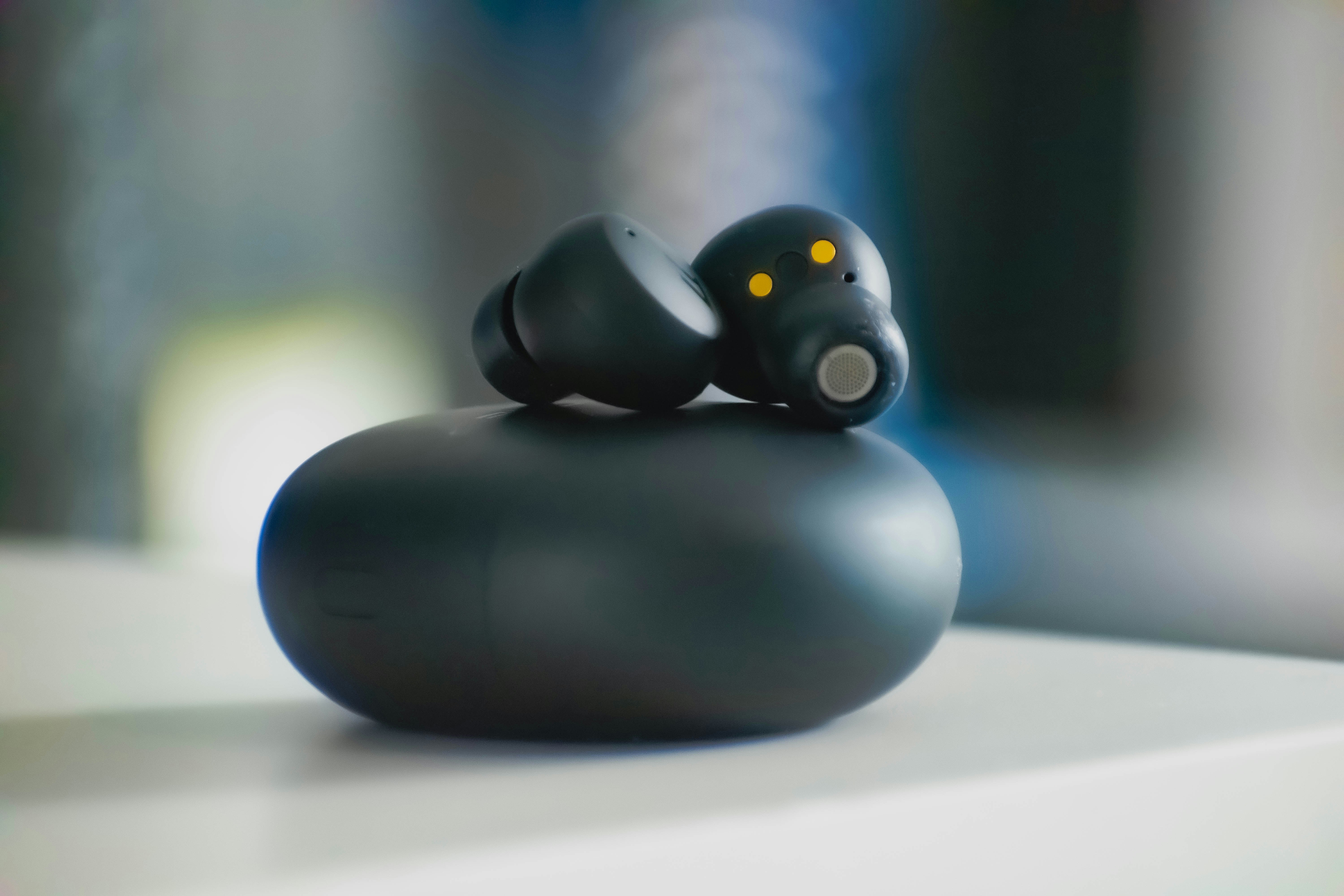
If you’re looking for something more compact, wireless earbuds are an excellent option. AirPods and other wireless earbuds are perfect for users who need high-quality sound without the bulk of full-size headphones.
Top Picks for Wireless Earbuds:
- Apple AirPods Pro: With active noise cancellation, impressive sound quality, and a comfortable fit, the AirPods Pro are among the best wireless earbuds on the market.
- Sony WF-1000XM4: These earbuds are equipped with superior sound quality, noise cancellation, and a sleek design, making them a top competitor for premium wireless earbuds.
Final Thoughts on Wireless Headphones
Wireless headphones are here to stay. Whether you’re a casual listener, a traveler, or a fitness enthusiast, wireless technology provides unmatched convenience and sound quality. With advancements in Bluetooth connectivity, noise cancellation, and battery life, wireless headphones are now more capable than ever.